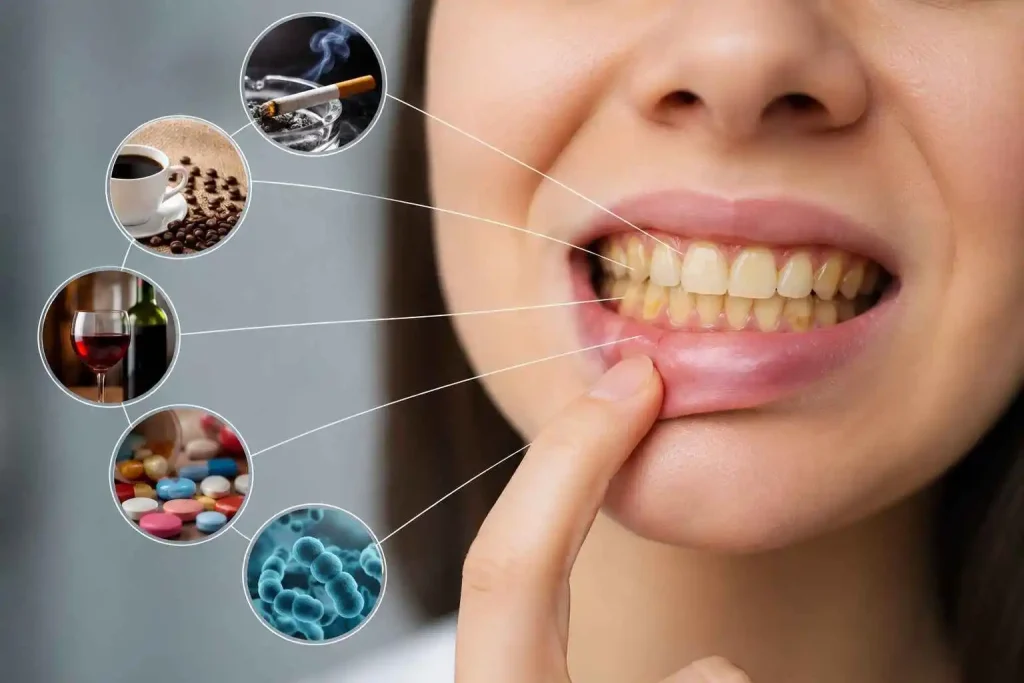
Yellow teeth can feel like they appeared out of nowhere, but there’s usually a clear reason behind the change. Aging, naturally thinner enamel, coffee or tea, tobacco, certain foods, and even genetics can affect tooth color. And no, yellow teeth don’t automatically mean poor oral hygiene.
At BSRV Dental Office in Scarborough, ON, we know that the right approach starts with understanding the cause. In this guide, we’ll look at the common reasons teeth turn yellow, how different types of discoloration are treated, and when a change in tooth color is worth discussing with a dentist.
Why Do Teeth Turn Yellow?
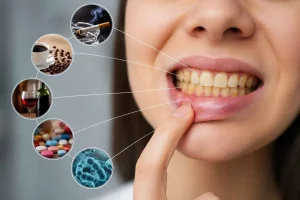
Yellow teeth usually result from two types of discoloration: extrinsic stains that build up on the enamel from coffee, tea, certain foods, and smoking, or intrinsic discoloration that develops within the tooth. Aging, genetics, some medications, trauma, and changes in dentin can make teeth appear more yellow as the enamel becomes thinner or more translucent.
Understanding the Natural Color of Your Teeth
Your teeth are not naturally pure white. Enamel, the translucent outer layer, allows some of the color beneath it to show through. Underneath, dentin has a naturally yellowish tone, so your tooth color depends on the balance between enamel and dentin. As enamel gradually becomes thinner from aging, wear, or erosion, more dentin becomes visible, which can make teeth look noticeably more yellow.
Common Causes of Yellow Teeth
Yellow teeth can develop for several reasons, from your natural tooth shade to everyday habits, oral hygiene, and changes inside the tooth. Here are the most common causes to understand before deciding whether you need whitening, professional cleaning, or dental care.
Genetics
Genetics can influence the natural shade of your teeth. Some people naturally have slightly creamier or more yellow-toned teeth because tooth color varies from person to person. The thickness and appearance of enamel, along with the color of the underlying dentin, both play a role. So, naturally yellowish teeth do not always mean there is a dental problem.
Aging and Enamel Wear
As you get older, enamel naturally becomes thinner through years of chewing, brushing, and exposure to acidic foods and drinks. Because enamel is translucent, thinning enamel allows more of the naturally yellowish dentin underneath to show through. This is why age-related discoloration is common. It also helps explain why aging, rather than simply poor hygiene, can change tooth color over time.
Food and Drink Stains
Certain foods and beverages contain pigments that can gradually cling to the enamel and cause extrinsic, or surface, stains. Frequent exposure can make teeth look darker or more yellow, especially when brushing and professional cleanings are inconsistent.
Common staining foods and drinks include:
- Coffee
- Tea
- Red wine
- Dark sodas
- Berries
- Tomato sauce
- Curry
- Balsamic vinegar
Smoking and Tobacco Use
Smoking and other forms of tobacco use are major contributors to yellow teeth. Tobacco smoke contains substances such as nicotine and tar, which can leave yellow-brown stains on the tooth surface. With repeated exposure, these stains can become more noticeable and harder to remove with regular brushing alone. Professional dental cleaning may help remove some surface staining caused by tobacco.
Poor Oral Hygiene
When plaque is not removed regularly, it can accumulate along the teeth and gumline. Over time, hardened plaque becomes tartar or dental calculus, which may appear yellow or brown. Brushing twice a day and flossing daily help control plaque buildup, but oral hygiene is only one piece of the puzzle. Genetics, aging, diet, tobacco, and enamel changes can also affect tooth color.
Medications
Certain medications can contribute to tooth discoloration, particularly when exposure occurs while permanent teeth are developing. Tetracycline antibiotics, for example, can cause intrinsic staining when taken during childhood and may also be a concern during pregnancy. Some antihistamines, blood pressure medications, and antipsychotic drugs may also affect oral health or contribute to discoloration in certain circumstances.
Fluorosis
Dental fluorosis can develop when teeth are exposed to excessive amounts of fluoride during childhood while permanent teeth are forming. Depending on its severity, fluorosis may appear as white marks, yellowish areas, or brown spots on the enamel. Unlike ordinary food stains, these changes develop during tooth development, so the discoloration is considered intrinsic rather than simply something sitting on the tooth surface.
Trauma or Injury
A blow to the mouth can sometimes change the color of a single tooth. An injury may crack or damage the enamel, while trauma to the inner part of the tooth can affect the pulp and cause internal discoloration. If one tooth suddenly becomes gray, yellow, or noticeably darker after an accident, it is worth having a dentist examine it rather than treating it as an ordinary surface stain.
Teeth Grinding (Bruxism)
Frequent teeth grinding, also called bruxism, can gradually wear down the protective enamel covering your teeth. As enamel becomes thinner, more of the naturally yellow dentin underneath can show through, making the teeth appear more yellow. Grinding can also increase sensitivity and contribute to cracks or other forms of tooth wear, particularly when it continues for a long time.
Causes at a Glance
Cause | Type & How to Address It |
Genetics | Intrinsic — Dentist consultation; whitening or veneers may be options. |
Aging & Enamel Wear | Intrinsic — Professional whitening and dental assessment. |
Food & Drink Stains | Extrinsic — Whitening plus reducing frequent staining foods and drinks. |
Smoking & Tobacco | Extrinsic — Stop tobacco use and consider professional cleaning. |
Poor Oral Hygiene | Extrinsic — Brush twice daily, floss daily, and get regular cleanings. |
Medications | Intrinsic — Discuss discoloration with your dentist before whitening. |
Fluorosis | Intrinsic — Dental evaluation and suitable cosmetic treatment. |
Trauma or Injury | Intrinsic — Dental evaluation to check for internal tooth damage. |
Teeth Grinding (Bruxism) | Intrinsic — Dental evaluation and a custom nightguard if recommended. |
What Causes Yellow Teeth in a Teenager?
Yellow teeth in a teenager are rarely caused by aging. More often, the color change comes from everyday habits or conditions that affect developing or newly erupted teeth. Frequent sugary drinks and staining foods, inconsistent brushing or flossing, childhood fluorosis, and stains around braces can all play a role. In rare cases, tetracycline exposure during early tooth development may cause deeper discoloration.
Common causes include:
- Sugary drinks and staining foods — frequent exposure can leave surface stains.
- Inconsistent brushing and flossing — plaque buildup can make teeth look yellow.
- Fluorosis — excess fluoride during childhood tooth development may cause yellow or brown spots.
- Braces and orthodontic appliances — plaque and food can collect around brackets, causing localized staining.
- Tetracycline exposure — early exposure to certain antibiotics can cause intrinsic tooth discoloration.
Why Are My Teeth Yellow If I Brush Every Day?
Brushing every day helps remove plaque and some surface stains, but it cannot change every cause of yellow teeth. Genetics, aging, medication, and fluorosis can create intrinsic discoloration beneath or within the enamel. Your brushing technique matters too missed areas, skipping flossing, or using a worn toothbrush can leave plaque behind. So, yellow teeth do not necessarily mean you are brushing incorrectly or neglecting your oral hygiene.
Can a Vitamin Deficiency Cause Yellow Teeth?
A vitamin deficiency is not usually a direct cause of yellow teeth, unlike staining from tobacco, certain foods, aging, or intrinsic discoloration. However, poor nutrition, including inadequate vitamin D or calcium, may affect enamel strength over time. When enamel becomes weaker or thinner, more of the naturally yellowish dentin underneath can show through, making discoloration more noticeable. This is different from the direct causes discussed above.
Is Yellow Teeth Normal? Are Yellow Teeth Healthy?
A slight yellow tint can be completely normal and does not automatically mean your teeth are unhealthy. Tooth color naturally varies with genetics, enamel thickness, and the yellowish dentin underneath. However, a noticeable change deserves attention if a tooth suddenly turns yellow, only one tooth becomes discolored, or yellowing occurs with pain, sensitivity, or other symptoms. In these cases, a dental examination can help identify the cause.
Teeth Turning Yellow Suddenly: What It Could Mean
Teeth that suddenly look yellow are different from the gradual discoloration that often comes with aging, diet, or everyday staining. A noticeable change may be linked to a new medication, a cracked or damaged tooth, recent trauma, or another underlying dental issue. While it is not always serious, sudden tooth discoloration is worth checking with a dentist so the cause can be identified and treated appropriately.
Possible reasons include:
- New medication: Certain medicines can contribute to tooth discoloration.
- Cracked or damaged tooth: Internal changes after damage can alter a tooth’s color.
- Trauma: An impact can affect the tooth’s inner tissues and cause discoloration.
- Underlying dental issue: Decay, pulp damage, or other problems may sometimes change tooth color.
How to Treat Yellow Teeth
The right yellow teeth treatment depends on what is causing the discoloration. Surface stains may improve with professional cleaning or whitening toothpaste, while deeper intrinsic stains may need professional whitening or cosmetic treatment. A dentist can assess your enamel, dentin, plaque, and tartar buildup to determine which option is most suitable for your smile.
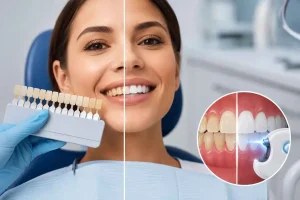
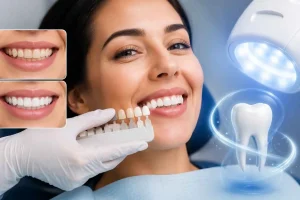
- Professional Teeth whitening: In-office whitening or take-home trays can brighten teeth more effectively than over-the-counter options.
- Whitening toothpaste: Best suited for removing or reducing surface-level stains rather than changing intrinsic tooth color.
- Veneers or dental bonding: May help conceal stubborn intrinsic discoloration that does not respond well to whitening.
- Professional dental cleaning: Removes plaque and hardened tartar that can contribute to yellow or brown-looking teeth.
How to Remove Yellow Stains From Teeth Naturally
Some at-home habits can help reduce surface stains and keep teeth looking cleaner, but they cannot remove every type of discoloration. Good oral hygiene is the foundation, while natural methods should be used sensibly. Deep or intrinsic yellowing usually requires professional assessment and treatment rather than relying on home remedies alone.
- Brush and floss consistently: Brush twice daily with fluoride toothpaste and floss daily to control plaque and surface staining.
- Use baking soda occasionally: It may help with surface stains, but frequent or aggressive use can contribute to enamel wear.
- Try oil pulling cautiously: Oil pulling may support oral hygiene, but scientific evidence for whitening is limited.
- Eat crunchy fruits and vegetables: Foods such as apples, carrots, and celery can help stimulate saliva and may gently clean the tooth surfaces.
- Drink water after staining foods or drinks: Rinsing with water after coffee, tea, berries, or other pigmented foods can help reduce stain buildup.
Natural approaches have their limits. If yellowing comes from intrinsic discoloration, enamel changes, or naturally visible dentin, professional cleaning or teeth whitening may provide more noticeable results.
When to See a Dentist About Yellow Teeth
Yellow teeth are often a cosmetic concern, but some changes deserve a closer look. A dentist can determine whether discoloration comes from surface stains, enamel wear, tartar, or a problem within the tooth. Consider a dental visit if you notice any of these signs:
- Sudden or unexplained discoloration: A quick change in tooth color should be evaluated.
- One yellow tooth: Discoloration affecting a single tooth may be related to trauma or an internal dental issue.
- Pain or sensitivity: Yellowing accompanied by discomfort, sensitivity, or other symptoms warrants professional attention.
- No improvement with home care: If consistent brushing, flossing, and stain-control habits do not improve the discoloration, professional cleaning or whitening may be appropriate.
For personalized advice about yellow teeth and the right treatment for your smile, consider booking a consultation with BSRV Dental Office.
Why Choose BSRV Dental Office for Teeth Whitening
Choosing the right whitening approach starts with understanding your teeth, the cause of discoloration, and what will safely give you the results you want.
- Experienced Dental Team: Get guidance from a knowledgeable dental team throughout your whitening journey.
- Professionally Supervised Whitening: Choose safe, professionally supervised whitening options suited to your dental needs.
- Personalized Treatment Plans: Your treatment can be tailored to the specific cause of tooth discoloration, whether it involves surface stains or deeper intrinsic changes.
- Convenient Scarborough Location: BSRV Dental Office provides accessible dental care for patients looking for teeth whitening in Scarborough, ON.
Frequently Asked Questions
What Is the Main Cause of Yellow Teeth?
There is no single cause of yellow teeth. Surface stains from coffee, tea, tobacco, and plaque are common, while genetics, aging, enamel thinning, medications, and changes in dentin can also cause intrinsic discoloration.
Can Yellow Teeth Be Reversed?
In many cases, yellow teeth can be improved, but the best treatment depends on the cause. Professional cleaning can remove plaque, tartar, and surface stains, while professional teeth whitening may brighten suitable teeth; deeper intrinsic discoloration may require cosmetic options.
Why Are My Teeth Yellow Even Though I Brush Every Day?
Brushing removes plaque and helps control surface stains, but it cannot change natural tooth color or reverse intrinsic causes such as genetics, aging, fluorosis, or medication-related discoloration. Technique, missed areas, flossing habits, and an old toothbrush can also affect how clean your teeth look.
What Causes Yellow Teeth in a Teenager?
Yellow teeth in teenagers are more often linked to diet, sugary or dark-colored drinks, inconsistent brushing and flossing, fluorosis, or staining around braces. In rare cases, tetracycline exposure during early tooth development can cause deeper intrinsic discoloration.
Does Vitamin Deficiency Cause Yellow Teeth?
Vitamin deficiency is not considered a primary direct cause of yellow teeth. However, poor nutrition and inadequate vitamin D or calcium may affect enamel health over time, potentially making the naturally yellowish dentin more visible.
Is It Normal for Teeth to Be a Little Yellow?
Yes, a slight yellow or cream-colored tint can be completely normal. Natural tooth color varies with genetics, enamel thickness, and the dentin underneath, so perfectly white teeth are not a requirement for healthy teeth.
Why Did My Teeth Suddenly Turn Yellow?
Sudden tooth discoloration can have several causes, including a new medication, trauma, a cracked or damaged tooth, or an underlying dental problem. If one tooth changes color or the yellowing comes with pain or sensitivity, BSRV Dental Office can help identify what is causing the change.
Conclusion
Yellow teeth can have many causes, from coffee, tobacco, and plaque buildup to enamel wear, genetics, medications, and natural aging. Some factors can be prevented with good oral hygiene and healthy habits, while others are simply part of your tooth structure or history. If you’re unsure why your teeth have changed color, a dentist can identify the cause and recommend the most suitable treatment. Book a consultation with BSRV Dental Office in Scarborough, ON, to get personalized guidance for a healthier, brighter smile.