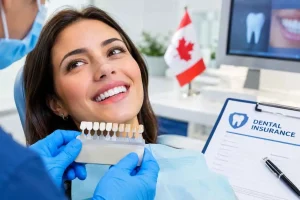

Getting your teeth whitened is only part of achieving a brighter smile. The first 24 to 48 hours after treatment are especially important because the teeth can be more vulnerable to new staining. During this short period, pigments from foods and drinks can affect the appearance of freshly whitened teeth, while acidic choices may also increase sensitivity. A little extra care with your diet can help protect the brightness you have just achieved.
So, what should you avoid after teeth whitening? For the first 24 to 48 hours, it is best to stay away from coffee, tea, red wine, cola, dark juices, berries, tomato-based sauces, curry, turmeric, and other strongly colored or acidic foods and drinks. Choose lighter options such as water, milk, plain yogurt, eggs, chicken, white rice, and plain pasta instead.
What Should You Avoid After Teeth Whitening?
For the first 48 hours after teeth whitening, avoid dark or highly pigmented foods and drinks that can stain your teeth, including coffee, tea, red wine, dark sauces, berries, curry, and chocolate. It is also best to avoid highly acidic or sugary foods and drinks during this period. Choosing lighter-colored foods and drinking plenty of water can help protect your whitening results while your teeth settle after treatment.
Why Are Your Teeth More Vulnerable to Staining Right After Whitening?
Teeth can be more vulnerable to staining immediately after whitening because the treatment temporarily changes the enamel surface as it breaks up discoloration. During this period, the microscopic spaces in the enamel can allow color pigments to enter more easily. Your teeth are also rebuilding their natural protective pellicle, a thin protein coating that develops again over about 24 to 48 hours. Until it is restored, teeth can absorb pigments from foods and drinks almost like a dry sponge touching a spill. That is why familiar foods may stain more easily after treatment.
Foods and Drinks to Avoid
For the first 48 hours after teeth whitening, it is best to limit foods and drinks that are dark, highly pigmented, acidic, or high in sugar because they can increase staining and sensitivity while your teeth are more vulnerable.
Dark Beverages: Coffee, Tea, and Red Wine
Coffee and tea contain tannins that can help pigments stick to the tooth surface, making them common causes of staining after whitening. Red wine can be even more troublesome because it combines dark pigments, acidity, and tannins. If you cannot avoid these drinks, using a straw can reduce contact with your front teeth.
- Coffee and iced coffee
- Black tea and green tea
- Red wine
- Dark-colored beverages
Dark Sauces and Condiments
Dark sauces and condiments can leave strong pigments on freshly whitened teeth. Tomato-based sauces are also acidic, while vinegar-based options can increase sensitivity. During the first 48 hours, choosing lighter-colored alternatives can help protect your whitening results.
- Soy sauce
- Tomato or marinara sauce
- Balsamic vinegar
- Ketchup
- Mustard
- BBQ sauce
Dark and Acidic Fruits
Some fruits are healthy choices but are better limited immediately after teeth whitening because their natural pigments and acids can work against your results. Berries and cherries contain strong color compounds, while citrus fruits and dark fruit juices are acidic and may increase temporary tooth sensitivity.
- Blueberries and blackberries
- Raspberries
- Cherries
- Oranges and other citrus fruits
- Dark fruit juices
Strongly Colored Spices
Strongly colored spices can contain concentrated natural pigments that easily transfer to surfaces. Turmeric, curry powder, paprika, and saffron are especially intense in color and can contribute to staining when enamel is more vulnerable after whitening. It is sensible to keep these spices off your menu during the first 48 hours.
- Turmeric
- Curry powder
- Paprika
- Saffron
Sugary Sweets and Chocolate
Dark chocolate and artificially dyed candies can expose freshly whitened teeth to both color and sugar. Sugar can contribute to plaque formation by feeding oral bacteria, which is another reason to limit sweets while your teeth may be temporarily sensitive after treatment. Choose lighter, less sugary options when possible.
Tobacco Products
Smoking and other tobacco products are major causes of tooth discoloration and can quickly work against a professional whitening treatment. Tobacco smoke exposes teeth to staining compounds that can become more noticeable over time. For the best chance of maintaining a brighter smile, avoiding tobacco is recommended well beyond the first 48 hours after whitening.
Staining Risk at a Glance
Risk Level & Foods/Drinks | Recommendation |
Extreme: Black coffee, red wine, tobacco | Avoid completely for the first 48 hours. |
High: Berries, curry, soy sauce | Avoid for the first 48 hours. |
Moderate: Milk chocolate, green tea, ketchup | Limit and rinse your mouth with water afterward. |
Safe: Chicken, rice, water, cauliflower | Generally fine to eat or drink after whitening. |
What Can You Eat After Teeth Whitening? (The “White Diet”)
After teeth whitening, choose light-colored, low-acid foods that are less likely to stain your teeth or increase sensitivity. This approach is often called the “white diet” because it focuses on foods that would not easily leave a mark on a white shirt. It makes the first 24–48 hours easier while helping protect your brighter smile.
- Breakfast: Plain yogurt, scrambled egg whites, bananas, plain crackers
- Lunch/Dinner: Grilled chicken, white fish, white rice, cauliflower, white cheeses
- Drinks: Water and milk
How Long After Teeth Whitening Can I Eat Normally?
In most cases, you can return to your normal diet about 48 hours after teeth whitening, once the protective pellicle layer has had time to rebuild. During this period, your teeth are more likely to absorb pigments from staining foods and drinks. If you are using take-home whitening trays, follow the timeline recommended by your dentist, as the ideal waiting period can vary slightly depending on the whitening product and treatment plan.
How Long to Wait Before Eating After Teeth Whitening Strips
Most over-the-counter teeth whitening strips recommend waiting at least 30 minutes to an hour before eating or drinking anything other than water. This gives the whitening agent time to fully set on the enamel. However, timing can vary between products, so always check the specific instructions on your whitening strips and follow the recommended waiting period for that brand.
Should You Wait to Brush Your Teeth After Whitening?
It is best to wait at least 30 minutes before brushing your teeth after whitening. The treatment may cause minor gum irritation, so brushing immediately can feel uncomfortable. When you do brush, use a soft-bristled toothbrush and fluoride toothpaste, and avoid hard or vigorous brushing. Gentle oral hygiene helps keep your teeth clean without adding unnecessary irritation while your mouth settles after treatment.
How to Protect Your Whitening Results Long-Term
- Rinse After Staining: Rinse with water after coffee, tea, berries, or other staining foods and drinks, even after the first 48 hours.
- Use a Straw: When drinking dark beverages, a straw can help reduce direct contact with your front teeth.
- Keep Brushing: Brush gently with fluoride toothpaste and floss regularly to remove plaque and help maintain a clean, bright smile.
- Plan Touch-Ups: Occasional touch-up whitening can help maintain your desired shade. Follow your dentist’s advice on when it is appropriate.
- Avoid Tobacco: Smoking and other tobacco products can cause significant tooth staining and work against your whitening results.
Why Choose BSRV Dental Office for Teeth Whitening in Scarborough
BSRV Dental Office combines professional teeth whitening care with personalized guidance to help Scarborough patients achieve and maintain a brighter, healthier-looking smile.
- Experienced Dental Team: Our dental team provides professional care with attention to your oral health, treatment goals, and comfort.
- Professionally Supervised Whitening: Whitening options are selected and supervised with your dental health in mind for safe, appropriate treatment.
- Personalized Aftercare: We provide practical aftercare guidance based on the whitening method used and your individual needs.
- Convenient Scarborough Care: Our office offers accessible dental care for patients looking for professional teeth whitening in Scarborough.
Frequently Asked Questions
What can I not drink after teeth whitening?
After teeth whitening, avoid coffee, black tea, red wine, dark sodas, and dark fruit juices, especially during the first 48 hours. These drinks contain pigments or acids that can increase staining and sensitivity while your teeth are more vulnerable.
What can I drink after teeth whitening?
Water is the safest choice after teeth whitening, while milk and other clear or light-colored drinks are generally good options. BSRV Dental Office recommends limiting dark, acidic, or heavily colored beverages during the first 48 hours to help protect your whitening results.
What foods should I avoid when whitening my teeth?
Avoid dark, highly pigmented, acidic, and sugary foods that can stain or irritate freshly whitened teeth. Coffee, berries, curry, tomato sauces, chocolate, and dark condiments are best limited during the first 48 hours after treatment.
Can I eat eggs after teeth whitening?
Yes, eggs are generally safe to eat after teeth whitening, particularly light-colored egg whites. Scrambled egg whites make a simple, low-pigment choice during the first 24–48 hours while your teeth are more vulnerable to staining.
Can I eat avocado or cucumber after teeth whitening?
Yes, avocado and cucumber are generally suitable after teeth whitening because they are light-colored and relatively low in staining pigments. Enjoy them in moderation and avoid pairing them with dark sauces, spices, or highly colored dressings.
What fast food can I eat after teeth whitening?
You can choose lighter fast-food options such as grilled chicken without dark sauces or plain fries. Avoid ketchup, BBQ sauce, dark condiments, cola, and other heavily colored foods and drinks during the first 48 hours to reduce the risk of staining.
Conclusion
The first 48 hours after teeth whitening can make a real difference in how long your brighter smile lasts. Choosing light-colored, low-acid foods and avoiding staining drinks and highly pigmented foods during this window can help protect your results. If you’re considering whitening or want guidance based on your teeth and treatment, book a consultation with BSRV Dental Office in Scarborough for personalized whitening and aftercare advice.