A few years is the usual answer when people ask how long dental bonding lasts, but the real lifespan can vary. Dental bonding typically lasts about 3 to 10 years, depending on the tooth being treated, the amount of biting and chewing pressure it receives, and everyday habits. Bonding on front teeth may experience different wear than bonding on back teeth or molars, where chewing forces are greater.
Good oral hygiene, regular dental checkups, and avoiding habits such as nail biting, chewing ice, or grinding your teeth can help protect the composite resin and extend its lifespan. Diet also matters, especially frequent exposure to staining foods and acidic drinks. Over time, bonding may chip, stain, wear down, or develop rough edges, which can be signs that a touch-up, repair, or replacement may be needed.
How Long Does Dental Bonding Last on Front Teeth?
Dental bonding on front teeth often lasts toward the higher end of the typical 4 to 8 year range, and in some cases, it can last longer with proper care. Unlike molars, front teeth usually face less pressure from heavy chewing and grinding, which can help the composite resin stay intact. However, because front teeth are highly visible, small chips, worn edges, or discoloration may be noticed sooner. Regular dental checkups can help identify these changes early and determine whether a touch-up or replacement is needed.
How Long Does Composite Bonding Last on Back Teeth (Molars)?
Composite bonding on back teeth, especially molars, can wear faster and often falls toward the lower end of the typical 4 to 8 year range. Molars handle much of the pressure created by chewing and may also be affected by teeth grinding or clenching. For a heavily used back tooth, your dentist may recommend a different restorative material or treatment approach that can better withstand stronger biting forces and everyday wear.
Factors That Affect Dental Bonding Lifespan
Several factors can affect how well dental bonding holds up, from the composite resin used to your daily habits, diet, and oral care.
The Quality of the Composite Resin
The quality of the composite resin can affect how well dental bonding handles everyday wear. Higher-quality materials are generally better at resisting wear, surface changes, and staining, which can help the bonding maintain its appearance and function for longer. The way the resin is selected, applied, shaped, and polished also matters. Your dentist can choose a material suited to the tooth being treated and the amount of stress it is likely to receive.
Where the Bonding Is Placed
The location of dental bonding affects how much pressure and friction it experiences. Front teeth generally face different forces than back teeth, while bonding placed directly on a biting edge can wear faster than bonding on a smoother tooth surface. Molars handle stronger chewing forces, so bonding in these areas may need more attention over time. Your dentist considers the tooth’s position, bite, and daily use when planning the restoration.
Everyday Habits That Can Damage Bonding
Certain habits can put unnecessary stress on bonded teeth and shorten their lifespan. Nail-biting, chewing ice, grinding or clenching your teeth, and using your teeth to open packages can chip, crack, or wear down composite resin. Even when bonding looks strong, repeated pressure can gradually weaken its edges. Avoiding these habits can help protect the bonded surface and reduce the chance of needing an early repair or replacement.
Foods and Drinks That Can Cause Staining
Dental bonding can become discolored over time, particularly with frequent exposure to staining foods and drinks. Coffee, tea, red wine, dark sauces, and other strongly colored foods can gradually affect the appearance of composite resin. In some cases, the bonding may stain before it shows significant structural wear. Limiting frequent exposure to staining substances and maintaining good oral hygiene can help bonded teeth keep a more natural-looking appearance.
Good Oral Hygiene and Regular Dental Care
Good oral hygiene helps protect both dental bonding and the natural tooth underneath it. Brushing consistently, flossing around bonded teeth, and attending regular dental checkups can help keep the area clean and healthy. Routine visits also give your dentist an opportunity to spot small chips, worn edges, or changes in the bonding before they become larger problems. Early attention may allow a simple touch-up instead of more extensive repair.
Dental Bonding Lifespan at a Glance
Factor | Typical Impact on Lifespan |
Front teeth placement | Often closer to the 8-year end of the typical range |
Back teeth / molars | Often closer to the 4-year end because of stronger chewing forces |
High-quality composite material | Can improve resistance to wear and staining, helping bonding last longer |
Nail-biting, ice chewing, or teeth grinding | Can significantly shorten lifespan by increasing stress and the risk of chips or cracks |
Frequent staining foods and drinks | Can shorten the cosmetic lifespan by causing discoloration |
Good oral hygiene and regular checkups | Helps protect bonding and identify early wear or damage before it worsens |
Is Dental Bonding a Good Long-Term Investment? (Cost Per Year)
Dental bonding usually costs less upfront than veneers, but it may not last as long. Looking at the cost per year can give you a fairer comparison. For example, if dental bonding costs about $500 CAD per tooth and lasts around 6 years, that works out to roughly $83 per year ($500 ÷ 6). A porcelain veneer costing about $1,750 CAD and lasting 20 years works out to approximately $88 per year ($1,750 ÷ 20). This shows why the real question is not only what treatment costs today, but how long you expect it to last.
Signs Your Dental Bonding Needs a Touch-Up
Dental bonding can gradually change with everyday use. Paying attention to small changes can help you address wear early, before a minor issue becomes more noticeable or difficult to repair.
- Sharp or rough edges: You may feel a rough or sharp area when your tongue moves across the bonded tooth.
- Visible discoloration: The bonding may become darker or more stained than the surrounding natural teeth.
- Small chips or cracks: Minor chips, cracks, or worn areas can develop from biting forces, grinding, or everyday use.
- A change in tooth shape: The bonded tooth may look noticeably different from its original shape because the composite resin has worn or chipped.
How to Make Dental Bonding Last Longer
A few simple habits can help protect composite bonding from unnecessary wear, staining, and damage:
- Avoid hard habits: Don’t bite your nails, chew ice, or use your bonded teeth to open packages or bite hard objects.
- Protect against grinding: If you grind or clench your teeth, ask your dentist about wearing a nightguard while you sleep.
- Limit staining drinks: Cut back on coffee, tea, and other staining foods or drinks, and rinse your mouth with water afterward.
- Brush gently twice daily: Use a soft-bristled toothbrush and fluoride toothpaste to clean your bonded teeth without being too harsh on the resin.
- Keep dental visits: Regular dental checkups allow your dentist to monitor the bonding and catch small chips, wear, or other changes early.
Why Choose BSRV Dental Office for Dental Bonding in Scarborough
At BSRV Dental Office, we focus on careful planning, natural-looking results, and clear guidance so Scarborough patients know what to expect from dental bonding.
- Experienced Cosmetic Dentistry Team: Our dental team has experience with cosmetic treatments designed to improve tooth shape, appearance, and overall smile balance.
- Precise Shade Matching: We carefully match the composite resin to your natural tooth colour and place it with attention to shape, bite, and detail for a natural-looking, durable result.
- Honest Lifespan Guidance: We explain how long bonding may realistically last based on the specific tooth, your bite, daily habits, and the amount of pressure it receives.
- Convenient Scarborough Location: Our office makes it convenient for patients in Scarborough to receive dental bonding consultations, treatment, and ongoing dental care in one location.
Frequently Asked Questions
How Long Does Composite Bonding Last Compared to Porcelain Veneers?
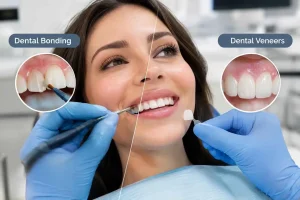
Composite dental bonding typically lasts around 4 to 8 years, while porcelain veneers can often last 10 to 20 years with proper care. Bonding usually costs considerably less upfront, so the right choice depends on your tooth, goals, expected lifespan, and budget.
Does Dental Bonding Need to Be Replaced Completely, or Can It Be Repaired?
Dental bonding does not always need complete replacement when a problem develops. At BSRV Dental Office, minor chips, cracks, or worn areas may sometimes be repaired or touched up without replacing the entire bonded area.
Can Dental Bonding Be Whitened If It Starts to Yellow?
No, dental bonding does not respond to whitening treatments in the same way natural teeth do. If the composite resin becomes noticeably darker or yellow over time, your dentist may recommend replacing or refreshing the bonding to restore a more even shade.
How Long Does Dental Bonding Take to Place?
Dental bonding typically takes about 30 to 60 minutes per tooth and can often be completed during a single dental visit. The exact time depends on the tooth being treated, the amount of composite resin needed, and the shape or cosmetic changes required.
Does Dental Bonding Hurt?
Dental bonding is generally painless because little or no natural enamel needs to be removed during the procedure. Some people may experience mild sensitivity afterward, but this is usually temporary.
Is It Normal for Bonding to Feel Different From Natural Teeth at First?
Yes, a bonded tooth can feel slightly different from your natural teeth while you adjust to the new shape and texture. If the bonding continues to feel rough, sharp, or uncomfortable after the initial adjustment period, BSRV Dental Office can check the area and make any needed adjustments.
Conclusion
Dental bonding can last around 4 to 8 years for many people, but its exact lifespan depends on which tooth is bonded, daily habits, biting pressure, oral hygiene, and overall care. With good maintenance, you can help protect the composite resin and keep your results looking their best. If you have existing bonding that is worn, chipped, or stained, book a checkup with BSRV Dental Office in Scarborough to discuss repair or a new treatment.