Both composite and porcelain veneers can create a whiter, more even-looking smile, but the material you choose can make a big difference. It affects the upfront cost, durability, stain resistance, treatment time, and how closely your veneers mimic natural teeth. Composite resin can be more affordable and easier to repair, while porcelain is known for its strength, lasting color, and natural translucency.
The main difference comes down to what you value most. Composite veneers usually cost less, require less tooth preparation, and can often be completed faster, while porcelain veneers generally offer greater durability, better stain resistance, and a more natural-looking finish. Your choice should also consider your tooth condition, bite, cosmetic goals, maintenance needs, and how long you want the result to last.
Which Is Better: Composite or Porcelain Veneers?
Porcelain veneers are generally more durable, stain-resistant, and natural-looking than composite veneers, but they cost more and usually require multiple dental visits over several weeks. Composite veneers are more affordable, more conservative, and often completed in a single visit, making them a convenient option for many patients. However, composite does not typically last as long and can stain more easily. The right choice depends on your smile goals, budget, and dental needs.
What’s the Difference Between Composite and Porcelain Veneers?
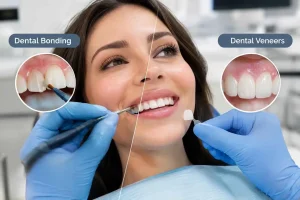
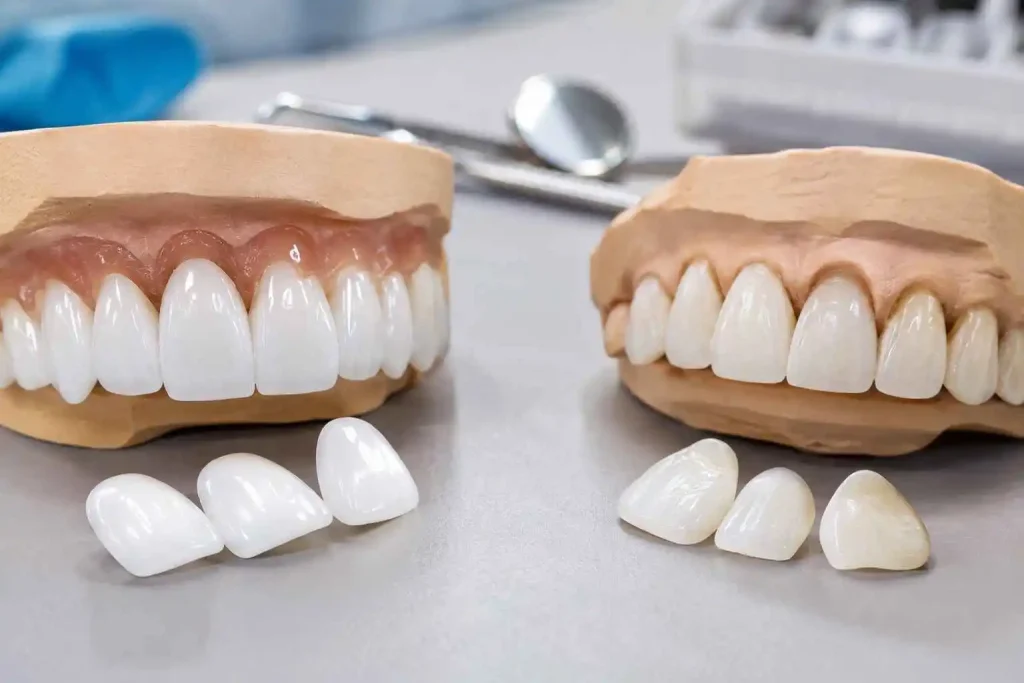
The main difference between composite and porcelain veneers is the material and how they are made. Porcelain veneers are thin shells made from high-quality dental ceramic and are custom-fabricated in a dental laboratory using an impression of your teeth. Composite veneers use a tooth-colored resin that your dentist applies and sculpts directly onto the tooth. This chairside approach allows composite veneers to be shaped, cured, and polished during the appointment.
Porcelain Veneers: Benefits and Drawbacks
Porcelain veneers can create a highly natural-looking smile while offering strong, long-term results. They are custom-made to match your teeth, but they also involve more preparation, time, and cost than composite veneers.
Benefits
- Natural appearance: Porcelain has translucency similar to natural enamel, helping veneers reflect light and blend with surrounding teeth.
- Stain resistance: Porcelain is highly resistant to staining from coffee, tea, and other common foods and drinks.
- Long-lasting: With good oral hygiene and proper care, porcelain veneers can last around 15 to 25 years.
- Custom fit: Each veneer is designed for the individual tooth, including its shape, size, and shade.
Drawbacks
- Irreversible: Traditional porcelain veneers require removal of a thin layer of enamel, so the treatment cannot simply be reversed.
- Multiple visits: Treatment usually requires two to three dental appointments over a couple of weeks.
- Higher cost: Porcelain veneers generally have a higher upfront cost than composite veneers.
Composite Veneers: Benefits and Drawbacks
Composite veneers offer a more affordable and convenient way to improve the appearance of teeth. They usually require less tooth preparation than porcelain veneers and can provide quick results, but they may need more maintenance over time.
Benefits
- More affordable: Composite veneers generally cost less upfront than porcelain veneers.
- Minimal tooth preparation: They often require minimal or no enamel removal, making the treatment more conservative and potentially reversible.
- Faster treatment: Composite veneers can frequently be completed in a single dental visit.
- Easy to repair: If a composite veneer chips or wears, your dentist can often repair it directly in the office.
Drawbacks
- More prone to staining: Composite resin is more porous than porcelain, so it can absorb stains over time, particularly from coffee, tea, and tobacco.
- Shorter lifespan: With proper care, composite veneers typically last about 5 to 7 years before they may need repair or replacement.
- Less natural translucency: Composite can appear slightly more opaque than porcelain and does not reflect light quite like natural enamel.
Composite vs. Porcelain Veneers: Full Comparison
Comparison | Porcelain Veneers vs. Composite Veneers |
Cost per tooth | Porcelain: $1,000–$2,500 CAD · Composite: $400–$1,500 CAD |
Lifespan | Porcelain: 15–25 years · Composite: 5–7 years |
Appointments needed | Porcelain: 2–3 visits over a few weeks · Composite: Often completed in one visit |
Stain resistance | Porcelain: Highly resistant to staining · Composite: More likely to stain over time |
Enamel removal | Porcelain: About 0.3–0.5 mm, typically irreversible · Composite: Minimal or none in many cases |
Repairability | Porcelain: Damaged veneers often require replacement · Composite: Chips can often be repaired chairside |
Natural appearance | Porcelain: Closely mimics natural enamel translucency · Composite: Generally more opaque |
Reversibility | Porcelain: Permanent once enamel is prepared · Composite: Often reversible when little or no enamel is removed |
Are Porcelain Veneers Permanent?
Yes, porcelain veneers are considered effectively permanent because placing them usually involves removing a thin layer of enamel to prepare the tooth for bonding. Enamel does not grow back, so once the tooth has been prepared, it will need a veneer or another suitable covering going forward. Composite veneers are different because they often require minimal or no enamel removal, making them a more reversible option in many cases.
What Happens to Composite Veneers After 5 Years?
Around the 5-year mark, composite veneers are approaching the lower end of their typical 5–7 year lifespan. You may notice some staining, minor surface wear, or small chips, especially with regular exposure to coffee, tea, or biting pressure. Depending on their condition, your dentist may recommend polishing, repair, or replacement. Some patients also choose to replace composite veneers with porcelain for greater durability and longer-lasting results.
Do Teeth Decay Under Composite Veneers?
Composite veneers themselves do not cause tooth decay, but decay can develop around the veneer margins if the edges are not properly sealed or oral hygiene declines over time. Bacteria and plaque can collect in these areas and affect the underlying tooth. Regular brushing with fluoride toothpaste, daily flossing, and routine dental checkups help protect your teeth and veneers. Good oral care is just as important with veneers as it is with natural teeth.
Why Do Some Dentists Advise Against Veneers?
Some dentists may advise against veneers when the risks outweigh the cosmetic benefit. Veneers are not suitable for every tooth or every patient. Because traditional porcelain veneers require enamel preparation, the decision should be based on your oral health, tooth condition, and treatment goals rather than appearance alone.
- Irreversible enamel removal: Removing healthy enamel may be unnecessary when a less invasive option could achieve a similar result.
- Masking underlying problems: Veneers should not be used to hide untreated decay, gum disease, or significant misalignment when those problems need to be addressed first.
- Treating teeth that do not need it: If teeth are healthy and their appearance does not require major correction, unnecessary cosmetic treatment may not be worth the permanent changes involved.
A responsible dentist will complete a thorough evaluation and discuss alternatives before recommending veneers.
Which Should You Choose? How a Dentist Decides
- Budget and Longevity: Your budget and how long you want the result to last can help guide the choice between composite and porcelain veneers.
- Number of Teeth: The number of teeth being treated matters, especially when planning a larger smile makeover or several individual veneers.
- Future Flexibility: If you prefer the option to change your treatment later, composite may offer more flexibility because it often requires minimal or no enamel removal.
- Treatment Timeline: Composite veneers can often be completed in one visit, while porcelain veneers usually involve multiple appointments over several weeks.
- Natural Tooth Condition: Your dentist will assess the health, structure, alignment, and appearance of the teeth before recommending either option.
Why Choose BSRV Dental Office for Veneers in Scarborough
At BSRV Dental Office, we help Scarborough patients understand both porcelain and composite veneers so they can choose an option that suits their smile and needs.
- Experience With Both: Our dentists work with both porcelain and composite veneers, helping patients understand the practical differences between each option.
- Honest Guidance: We recommend the option that fits your goals, dental needs, and budget rather than automatically suggesting the more expensive treatment.
- Transparent Pricing: We discuss treatment costs before you begin, so you can understand the expected investment and make an informed decision.
- Convenient Scarborough Location: Our office provides accessible veneer consultations for patients looking for cosmetic dental care in Scarborough.
Frequently Asked Questions
Is porcelain better than composite for veneers?
Neither option is universally better. At BSRV Dental Office, the choice depends on your budget, treatment timeline, dental needs, and how long you want the veneers to last.
How much do porcelain veneers cost?
Porcelain veneers typically cost more per tooth than composite veneers, with exact pricing depending on the number of teeth and case complexity. For a complete breakdown of veneer pricing in Scarborough, read our detailed guide on dental veneers cost in Scarborough.
Do celebrities get composite or porcelain veneers?
Many high-profile smile makeovers use porcelain veneers because they offer durability and a natural-looking appearance. Composite veneers can also be used for quicker, more affordable cosmetic changes or smaller touch-ups.
Can I switch from composite to porcelain veneers later?
Yes, switching from composite to porcelain veneers later can be a common upgrade path. When you are ready for a longer-term investment, your dentist can assess the existing composite veneers and recommend the appropriate next step.
How do I care for my veneers to make them last longer?
Brush and floss regularly, attend routine dental checkups, and avoid using your teeth to bite hard objects. Limiting heavily staining foods and drinks can also help, especially with composite veneers, which are more prone to discoloration over time.
Are veneers covered by dental insurance?
Veneers are generally not covered by dental insurance because they are considered a cosmetic treatment. However, coverage varies between plans, so it is worth checking directly with your insurance provider before treatment.
Conclusion
Porcelain veneers offer a durable, natural-looking result and strong stain resistance, but they come with a higher upfront cost. Composite veneers are more affordable, flexible, and easier to repair, although they typically have a shorter lifespan. The better choice depends on your budget, timeline, dental needs, and smile goals. To compare your options and find the right fit, book a consultation with BSRV Dental Office in Scarborough.