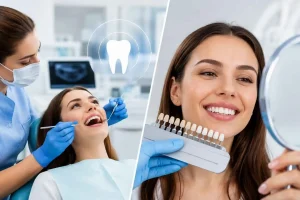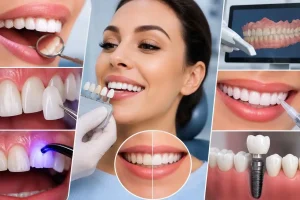

Cosmetic dentistry can help improve the appearance of stained, chipped, cracked, crooked, uneven, or worn-down teeth while creating a more natural-looking smile. A good candidate usually has healthy teeth and gums, good oral hygiene, and clear smile goals. A cosmetic dentist can recommend options such as teeth whitening, dental bonding, veneers, or clear aligners based on your needs.
You may also benefit from cosmetic dental treatment if you have gaps between teeth, old dental restorations, or concerns about tooth shape and color. Before treatment, problems such as cavities, gum disease, or dental infections should be addressed to protect your oral health. A dental consultation helps create a personalized treatment plan with realistic expectations, suitable procedures, and long-lasting smile results.
What Does It Mean to Be a Good Candidate for Cosmetic Dentistry?
Being a good candidate for cosmetic dentistry means having a smile concern you would like to improve while maintaining good overall oral health. Candidacy is not based only on the appearance of your teeth. A cosmetic dentist considers your teeth and gums, specific cosmetic concerns, treatment goals, bite, existing tooth structure, expectations, and the procedure being considered. Depending on your needs, treatments such as teeth whitening, dental bonding, veneers, or other cosmetic options may help create a healthier-looking, more balanced smile.
Signs You May Be a Good Candidate
- Stained or discolored teeth from coffee, tea, smoking, or other common causes
- Chipped, cracked, worn, or damaged teeth that affect your smile
- Gaps or spaces between teeth that make you feel self-conscious
- Missing teeth that affect your smile, appearance, or confidence
- Uneven, misshapen, or disproportionate teeth that affect your smile
- Minor alignment concerns that make your teeth look uneven
- Feeling unhappy or self-conscious about your smile’s appearance
- Avoiding smiling in photos or social situations because of your teeth
- Healthy teeth and gums without active decay, infection, or gum disease
Common Dental Concerns Cosmetic Dentistry Can Fix
Cosmetic dentistry can address a range of concerns that affect the appearance of your smile, from tooth discoloration and minor chips to gaps, uneven teeth, and worn tooth surfaces. The most suitable treatment depends on your oral health, the condition of your teeth, and the results you want to achieve.
Discolored or Stained Teeth
Teeth can become stained or discolored from coffee, tea, tobacco, certain foods, aging, or other factors. Professional teeth whitening may improve many types of surface stains and help create a brighter, more even-looking smile. A dentist can assess the cause of discoloration before recommending the most appropriate option.
Chipped or Cracked Teeth
Small chips, cracks, or areas of tooth wear can change the shape and appearance of your smile. Dental bonding may be suitable for minor cosmetic damage, while veneers or crowns may be considered when more extensive tooth structure is affected. The right option depends on the condition and strength of the tooth.
Gaps Between Teeth
Spaces between teeth can affect the overall balance of your smile. Depending on the size and location of the gap, cosmetic bonding or veneers may help improve the appearance of the teeth. Larger gaps or certain alignment concerns may require orthodontic treatment or another approach.
Missing Teeth
Missing teeth affect more than the appearance of your smile and may also influence chewing and overall oral function. Depending on your individual needs, dental implants, bridges, or other tooth-replacement options may help restore the appearance and function of your smile. A dental evaluation is important to determine which option is appropriate.
Uneven or Misaligned Smile
Crooked, uneven, or mildly misaligned teeth can make your smile look less balanced. Cosmetic treatments may improve minor appearance concerns, while orthodontic treatment or clear aligners may be more appropriate when tooth alignment or bite needs to be addressed.
Worn Down or Small Teeth
Teeth can appear shorter or become worn down because of aging, grinding, or other factors. Depending on the amount of tooth structure remaining, dental bonding, veneers, or crowns may help restore tooth shape and improve smile proportions.
Misshapen or Irregularly Sized Teeth
Teeth that are unusually shaped, too small, or disproportionate can affect the symmetry of your smile. Cosmetic bonding or veneers may be used to alter the visible shape and proportions of suitable teeth. Your dentist will consider your natural tooth structure, bite, and desired appearance before recommending treatment.
Oral Health Requirements Before Cosmetic Dentistry
Before cosmetic dentistry, your dentist will usually assess the health and condition of your teeth and gums. Cosmetic treatment is generally considered after underlying oral health problems have been addressed, helping create a healthier foundation for predictable and long-lasting results.
- No active gum disease or significant inflammation
- No untreated cavities or tooth decay
- No active dental infection or untreated tooth pain
- A stable bite and healthy jaw function
- Adequate enamel and remaining tooth structure for the planned treatment
- Good oral hygiene habits and regular dental care
Who May Not Be Ready for Cosmetic Dentistry Yet?
Not being ready for cosmetic dentistry does not necessarily mean you cannot receive treatment. Some dental or oral health concerns may need to be treated first to create a healthy foundation for cosmetic procedures. Your dentist can assess your needs and recommend restorative, periodontal, or orthodontic care before moving forward.
- Active gum disease that needs periodontal treatment
- Untreated tooth decay or cavities
- Dental infections that require treatment
- Severe enamel loss or significant tooth damage
- Severe bite problems that may require orthodontic treatment first
- Poor oral hygiene that could affect treatment results
- Unrealistic expectations about what cosmetic dentistry can achieve
Does Age Matter for Cosmetic Dentistry?
Age alone does not determine whether someone is a good candidate for cosmetic dentistry. The condition and development of the teeth, overall oral health, treatment goals, and specific procedure are usually more important factors.
For teens, dentists may consider whether the teeth and jaw have finished developing before recommending certain cosmetic procedures. Adults with healthy teeth and gums may have several cosmetic treatment options depending on their smile concerns. Older adults can also benefit from cosmetic dentistry, although existing dental work, gum health, enamel condition, and tooth structure may need careful evaluation first. A dental consultation can help determine which treatment is appropriate at any age.
Personal Traits of a Good Candidate
- Has realistic expectations about what cosmetic dentistry can achieve
- Has clear and achievable goals for improving their smile
- Maintains good oral hygiene habits at home
- Is committed to following recommended aftercare instructions
- Is willing to attend regular dental checkups and maintenance visits
- Is open to professional recommendations and alternative treatment options
- Understands the benefits, limitations, and expected results of treatment
Which Cosmetic Dentistry Treatment May Be Right for You?
The right cosmetic dentistry treatment depends on your specific smile concern, oral health, tooth structure, and desired results. Some treatments focus mainly on appearance, while others can improve both the appearance and function of damaged or missing teeth. Your dentist can evaluate your smile and recommend the most suitable option.
Teeth Whitening
Professional teeth whitening can be a suitable option for people with stained or discolored teeth caused by foods, drinks, tobacco, aging, or other factors. It can brighten your natural teeth without changing their shape or position. A dental evaluation can determine whether whitening is appropriate for the type of discoloration you have.
Porcelain Veneers
Porcelain veneers are thin, custom-made coverings placed over the visible surfaces of suitable teeth. They may improve concerns such as persistent discoloration, minor chips, uneven shapes, small gaps, or irregular tooth proportions. Veneers require careful evaluation of your enamel, tooth structure, bite, and cosmetic goals.
Dental Bonding
Dental bonding uses tooth-colored composite resin to improve the appearance of minor chips, small gaps, worn edges, or irregularly shaped teeth. It is generally less invasive than some other cosmetic options and can often be completed relatively quickly. Your dentist will assess whether the tooth has enough healthy structure for bonding.
Dental Crowns
Dental crowns cover and protect a damaged or weakened tooth while also restoring its shape and appearance. They may be recommended when a tooth has significant damage, extensive decay, or insufficient structure for a less extensive cosmetic treatment. Unlike treatments focused only on appearance, crowns can provide important structural support.
Dental Implants
Dental implants are designed to replace missing teeth and can restore both the appearance and function of your smile. An implant typically involves a dental implant post, an abutment, and a replacement crown. Candidacy depends on factors such as gum health, available bone, overall oral health, and the condition of the surrounding teeth.
Invisalign or Clear Aligners
Invisalign and other clear aligners can gradually move suitable teeth into improved positions and may be considered for certain alignment concerns. They can be an option for people who want a less noticeable alternative to traditional braces. More complex bite or alignment problems may require a different orthodontic approach.
Can You Get Cosmetic Dentistry If You Have Cavities or Gum Disease?
Cosmetic dentistry may still be an option if you have cavities or gum disease, but active oral health problems usually need to be treated first. Untreated tooth decay, gum inflammation, or dental infection can affect the health of your teeth and gums and may interfere with cosmetic treatment. Once these concerns are under control, your dentist can reassess your oral health and discuss suitable cosmetic options based on your smile goals and treatment needs.
What Happens During a Cosmetic Dentistry Consultation?
A cosmetic dentistry consultation helps your dentist understand your smile concerns, assess your oral health, and determine which treatment options may be suitable for you. The appointment usually combines a dental examination with a discussion about your goals, expectations, and possible treatment plan.
Dental and Gum Health Examination
Your dentist will examine your teeth and gums to identify issues such as cavities, tooth decay, gum disease, infection, or other oral health concerns. Depending on your needs, dental X-rays or other diagnostic assessments may also be recommended.
Discussing Your Smile Goals
You can explain what you would like to change about your smile, whether it is tooth discoloration, chips, gaps, uneven teeth, or overall smile appearance. Sharing your expectations helps your dentist understand the results you are hoping to achieve.
Evaluating Your Teeth and Bite
Your dentist may assess tooth shape, size, alignment, enamel, existing dental work, and how your upper and lower teeth come together. This evaluation helps determine which cosmetic treatments are appropriate for your teeth and bite.
Reviewing Treatment Options
Based on your examination and goals, your dentist can discuss suitable options such as teeth whitening, dental bonding, porcelain veneers, crowns, implants, or orthodontic treatment. You can also discuss the benefits, limitations, alternatives, and expected maintenance of each option.
Creating a Personalized Treatment Plan
Once your needs and treatment preferences are understood, your dentist can develop a personalized treatment plan. This may include the recommended procedure, treatment sequence, expected timeline, and steps needed to maintain your cosmetic dental results.
Frequently Asked Questions
Is Cosmetic Dentistry Only for People With Severe Dental Problems?
No. Cosmetic dentistry is not limited to people with severe dental problems. It can help improve common concerns such as stained teeth, small chips, gaps, uneven tooth shapes, and minor alignment issues. Your dentist can recommend treatment based on your oral health and smile goals.
Do I Need Healthy Gums Before Getting Veneers or Whitening?
Healthy gums are important before undergoing cosmetic treatment. Active gum disease, inflammation, or infection may need to be treated first. Once your gums and teeth are healthy, your dentist can determine whether veneers, whitening, or another cosmetic option is appropriate.
Can I Get Cosmetic Dentistry If I Have Crooked Teeth?
Yes, depending on the severity of the alignment problem. Minor cosmetic concerns may sometimes be addressed with veneers or bonding, while more significant alignment or bite issues may require orthodontic treatment such as clear aligners or braces.
How Do I Know Which Cosmetic Treatment Is Right for Me?
The right treatment depends on your specific concern, oral health, tooth structure, bite, goals, and desired results. A cosmetic dentistry consultation allows your dentist to evaluate these factors and recommend suitable treatment options.
Is Cosmetic Dentistry Safe for Sensitive Teeth?
Some cosmetic treatments can be suitable for people with sensitive teeth, but the cause and severity of sensitivity should be evaluated first. Teeth whitening may temporarily increase sensitivity in some patients, so your dentist can recommend appropriate precautions or alternative options.
How Long Do Cosmetic Dental Results Last?
The lifespan of cosmetic dental results varies by treatment, oral hygiene, diet, lifestyle, and regular dental care. Whitening may need periodic touch-ups, while veneers, bonding, crowns, and other treatments can last for years with proper care and maintenance.
Conclusion
A good candidate for cosmetic dentistry is someone who wants to improve stained, chipped, cracked, crooked, uneven, worn-down, or missing teeth and achieve a more natural-looking smile. Healthy teeth and gums, good oral hygiene, realistic expectations, and clear smile goals can help support successful cosmetic dental treatment.
Before choosing teeth whitening, dental veneers, bonding, crowns, clear aligners, or dental implants, a cosmetic dentist should check your oral health and address cavities, gum disease, or infection when needed. A personalized treatment plan can help you choose the right cosmetic dental procedure, improve your confidence, and maintain a healthy, attractive smile.