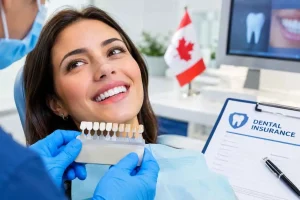

Cosmetic dentistry and general dentistry both support a healthy smile, but they focus on different patient needs. General dentistry emphasizes preventive dental care, oral health, diagnosis, fillings, dental cleanings, root canal treatment, crowns, gum care, and restoring tooth function. Cosmetic dentistry focuses more on smile aesthetics, including teeth whitening, dental veneers, bonding, smile makeovers, tooth shape, color, alignment, and overall appearance.
A general dentist can help maintain healthy teeth and gums, while a cosmetic dentist can enhance your smile and confidence through personalized dental treatment. Many procedures, such as crowns, dental implants, bridges, bonding, and orthodontic treatment, can provide both functional and cosmetic benefits. Understanding the difference helps you choose the right dental care for your oral health, smile goals, comfort, appearance, and long-term dental wellness.
What Is General Dentistry?
General dentistry focuses on preventive, diagnostic, and restorative care to help maintain your teeth, gums, and overall oral health. A general dentist provides routine checkups and professional cleanings, identifies problems early, and treats common dental concerns before they become more serious. Services may include dental fillings for cavities, root canal treatment for infected teeth, extractions when a tooth cannot be saved, and gum disease treatment to protect the supporting structures of your teeth. Oral cancer screenings may also be part of routine dental care. Overall, general dentistry aims to maintain a healthy, functional smile while supporting proper chewing, comfort, and long-term oral health.
What Is Cosmetic Dentistry?
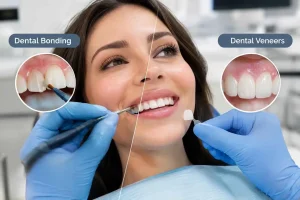
Cosmetic dentistry focuses primarily on improving the appearance of your teeth, gums, and overall smile. These treatments are usually elective and may address concerns such as tooth discoloration, chips, cracks, gaps, uneven shapes, or minor alignment issues. Common cosmetic dental procedures include teeth whitening, dental veneers, composite bonding, smile makeovers, gum contouring, and Invisalign or other clear aligners for a more balanced-looking smile. Although the main goal is aesthetic improvement, some cosmetic treatments may also provide restorative or functional benefits. For example, dental bonding can help repair a chipped tooth, while veneers may improve the appearance and protect a damaged tooth. The right treatment depends on your smile goals, dental condition, and overall oral health.
Key Differences Between Cosmetic and General Dentistry
Focus of Care
- General dentistry: Focuses primarily on preventing, diagnosing, and treating dental problems to maintain oral health, comfort, and proper function.
- Cosmetic dentistry: Focuses mainly on improving the appearance of the teeth, gums, and overall smile, including color, shape, symmetry, and alignment.
- Overlap: Some treatments can improve both aesthetics and function, depending on the patient’s needs.
Common Treatments Offered
Cosmetic dentistry may include:
- Teeth whitening
- Dental veneers
- Composite bonding
- Smile makeovers
- Gum contouring
- Invisalign or clear aligners
General dentistry may include:
- Dental fillings
- Dental crowns
- Root canal treatment
- Professional teeth cleanings
- Tooth extractions
- Gum disease treatment
Training & Certification
Both general and cosmetic dentists typically begin with the same foundational dental education and earn a DDS (Doctor of Dental Surgery) or DMD (Doctor of Dental Medicine) degree. Cosmetic dentistry is not recognized by the American Dental Association as a separate official dental specialty, so dentists who focus on cosmetic procedures may pursue additional training, continuing education, and hands-on experience in areas such as veneers, bonding, teeth whitening, and smile design. This makes it important to consider a dentist’s specific experience and qualifications when choosing a provider for a cosmetic procedure.
Necessity vs Elective Nature
General dentistry often involves treatments that are medically necessary to protect oral health, relieve pain, restore function, or prevent dental problems from becoming worse. Depending on the treatment and insurance plan, many general dental services may receive some insurance coverage. Cosmetic dentistry, on the other hand, is usually elective because its primary purpose is to improve the appearance of a smile. As a result, many cosmetic procedures are paid for out of pocket, although coverage can vary when a treatment also has a necessary restorative or functional benefit.
General Dentist vs Cosmetic Dentist: Comparison
Factor | General Dentist | Cosmetic Dentist |
Primary Goal | Maintain oral health, prevent problems, and restore dental function | Improve the appearance of the teeth, gums, and smile |
Common Procedures | Checkups, cleanings, fillings, crowns, and root canal treatment | Teeth whitening, veneers, dental bonding, and smile makeovers |
Insurance Coverage | Often partially or fully covered, depending on the treatment and plan | Usually not covered because many procedures are elective |
Visit Frequency | Regular preventive visits, commonly every 6 months or as recommended | Usually as needed, based on aesthetic goals and treatment plans |
Training | Dental school and a DDS or DMD degree | Dental school and a DDS or DMD degree, often with additional cosmetic dentistry training |
Do You Need Both? How General and Cosmetic Dentistry Work Together
You may benefit from both general and cosmetic dentistry because a healthy smile is often the foundation for an attractive one. General dentistry focuses on maintaining healthy teeth and gums through preventive care and necessary treatments, while cosmetic dentistry helps improve concerns such as tooth discoloration, chips, gaps, and uneven shapes. Before starting certain cosmetic procedures, your dentist may recommend treating cavities, gum disease, or other oral health concerns first.
The two types of dentistry can also work together to improve both function and appearance. At BSRV Dental Office, patients can access general and cosmetic dental services in one convenient clinic. A personalized treatment plan can address your oral health needs first and then help you explore cosmetic options based on your smile goals. This approach can make it easier to receive well-coordinated dental care in one place.
When to See a General Dentist vs a Cosmetic Dentist
See a General Dentist If:
- You have tooth pain, sensitivity, or discomfort.
- You are due for a routine dental checkup or professional cleaning.
- You suspect a cavity, tooth decay, or another oral health problem.
- You have bleeding, swollen, or painful gums.
- You need treatment to restore the health or function of your teeth.
See a Cosmetic Dentist If:
- You want to improve tooth discoloration, chips, cracks, or gaps.
- You are interested in teeth whitening, veneers, or dental bonding.
- You want a complete smile makeover.
- Your teeth and gums are healthy, but you want to improve your smile’s appearance.
- You have specific aesthetic goals involving the shape, color, alignment, or overall look of your teeth.
Cost Considerations
The cost of general and cosmetic dental care can vary based on the type of procedure, the complexity of treatment, and your individual oral health needs. For cosmetic treatments, factors such as the materials used, the number of teeth being treated, and the extent of the desired smile improvement can also affect the overall cost. Some general dental procedures may receive partial insurance coverage when they are medically necessary, while cosmetic treatments are often paid for out of pocket. The best way to understand the expected cost is to schedule an individual assessment, where your dentist can recommend the right treatment plan and explain the associated costs.
Frequently Asked Questions
Can a General Dentist Also Do Cosmetic Procedures?
Yes. Many general dentists provide cosmetic procedures such as teeth whitening, dental bonding, and veneers. However, experience and additional training in specific cosmetic treatments can vary, so ask about the dentist’s qualifications and experience with the procedure you are considering.
Is Cosmetic Dentistry Covered by Insurance?
Cosmetic dentistry is usually not covered because many treatments are elective and focus mainly on improving appearance. However, insurance coverage may vary if a procedure also provides a necessary restorative or functional benefit. Check with your dental insurance provider for details about your specific plan.
How Do I Know If I Need a Cosmetic or General Dentist?
If you have tooth pain, decay, gum problems, or need preventive care, start with a general dentist. If your teeth and gums are healthy but you want to improve your smile’s color, shape, or appearance, cosmetic dentistry may be a better fit. A dentist can also help determine whether you need both.
Can Cosmetic Dentistry Fix Oral Health Problems Too?
Some cosmetic treatments may provide restorative benefits. For example, dental bonding can repair a chipped tooth, while a crown can improve both the appearance and function of a damaged tooth. However, cosmetic dentistry should not replace necessary treatment for problems such as cavities, gum disease, or dental infections.
How Often Should I See a General Dentist vs Cosmetic Dentist?
Most people benefit from regular dental checkups and cleanings, often every six months or as recommended based on individual oral health needs. Cosmetic dental visits are usually scheduled as needed, depending on the procedure, treatment plan, and your smile goals.
Conclusion
Cosmetic dentistry and general dentistry serve different but connected goals. General dentistry protects oral health through preventive care, dental exams, cleanings, fillings, root canals, gum treatment, crowns, and restorative dentistry, while cosmetic dentistry improves smile aesthetics with teeth whitening, veneers, bonding, aligners, and smile makeovers. Both can help you maintain healthy teeth, better function, and greater confidence.
Choosing between a general dentist and cosmetic dentist depends on your dental needs and smile goals. A general dentist is ideal for routine care, tooth decay, gum disease, pain, and long-term oral health, while a cosmetic dentist can address discoloration, chips, gaps, tooth shape, alignment, and smile appearance. A personalized consultation can help you choose safe, effective, and value-focused treatment for a healthier, more confident smile.